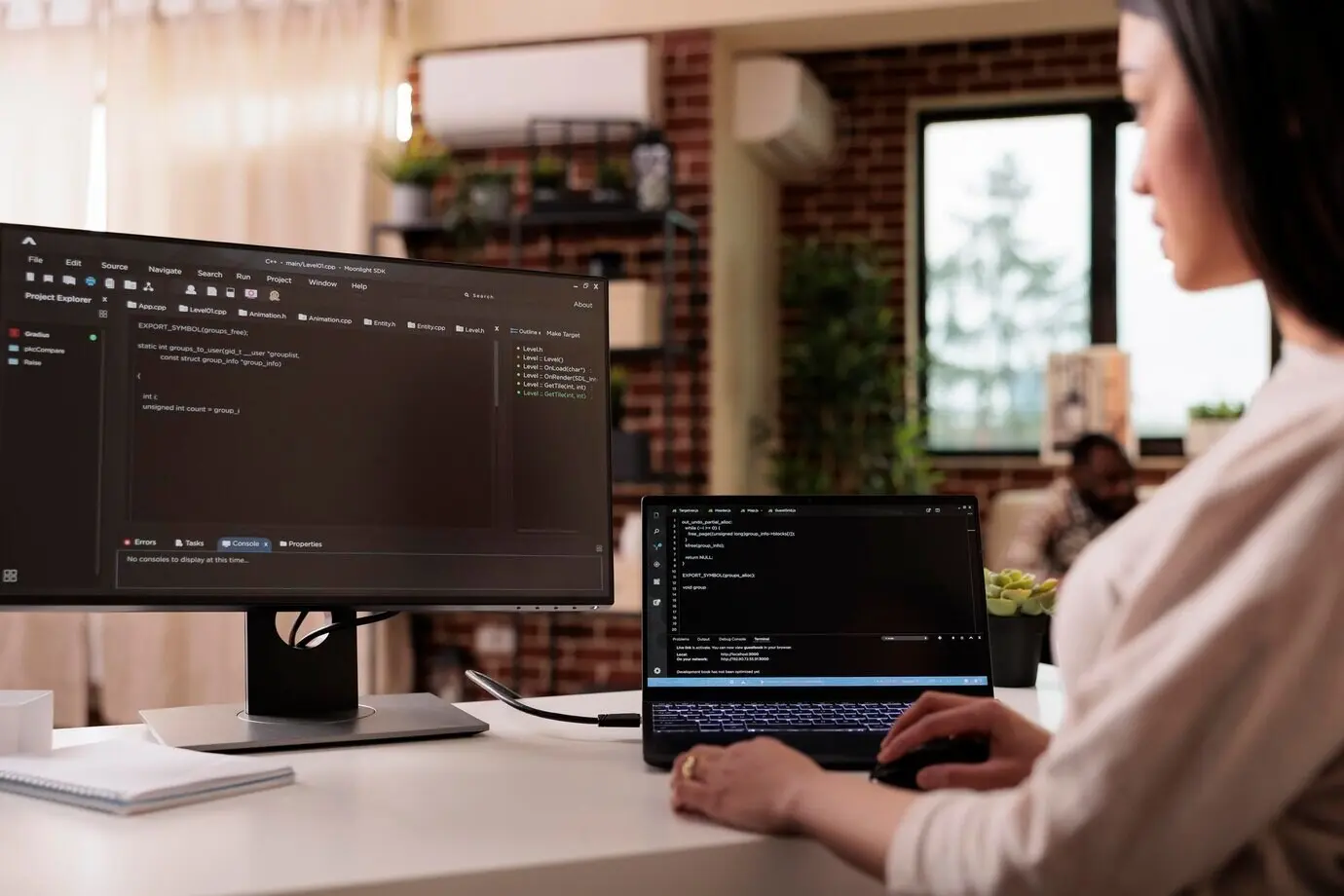
Build Security In: From Audits to Empowered Engineers

Today we dive into Secure Coding Audits and Developer Training Programs, exploring how thoughtful assessments of codebases pair with practical, ongoing learning to reduce risk and elevate engineering craft. Expect clear frameworks, candid stories from real incidents, and actionable checklists you can apply immediately on your team. Share your challenges, subscribe for deeper guides, and help shape the next set of practical exercises by telling us what stands between your developers and safer software in production.

Why Prevention Beats Patching

Patching vulnerabilities after release drains focus, erodes customer trust, and often costs orders of magnitude more than addressing issues early. Prioritizing preventive practices through strong code audits and targeted upskilling shifts teams from firefighting to consistent delivery. We will unpack practical steps to move a culture from reactive fixes toward proactive design decisions that de-risk features before they ship and keep your roadmap on track.

Scoping Without Stalling Delivery

Start by mapping data flows, high-risk endpoints, and sensitive integrations. Constrain the audit to the most critical paths first, then expand iteratively. This targeted approach reveals meaningful issues quickly and avoids overwhelming teams with sprawling reports. By placing risk hot spots under a microscope, audits deliver clarity, reduce context switching, and help engineering leaders sequence remediation alongside planned releases without painful schedule slips.

Review Heuristics That Catch What Linters Miss

Automated scanners are essential, yet they cannot grasp nuanced logic, authorization boundaries, or subtle multi-service data exposures. Human-driven heuristics fill that gap: trace trust boundaries, challenge assumptions, compare code paths, and look for unsafe defaults. When auditors pair these techniques with structured checklists, they consistently uncover issues like confused deputy vulnerabilities and token scope misuse that static checks seldom flag.

Training That Developers Actually Use

Training sticks when it feels relevant, hands-on, and respectful of time. Replace abstract lectures with short labs, live coding, and exercises using the same frameworks engineers touch daily. Reinforce habits through repetition, office hours, and lightweight challenges embedded in sprint cycles. By connecting learning directly to ongoing work, new practices become automatic, and security knowledge spreads organically across teams and codebases.

Measuring Progress and Impact

KPIs That Matter

Focus on metrics that reward prevention and sustainable practices. Monitor mean time to remediate for high-severity findings, coverage of input validation on external interfaces, and regression rates after fixes. Include training completion tied to real-world exercises, not just attendance. When incentives align with resilient code, teams naturally prefer safer defaults, and dashboards start reflecting healthier delivery pipelines rather than frantic patch cycles.

Red Team, Blue Team, Dev Team

Blend adversarial testing with development goals. Red teams reveal how attacks unfold, blue teams practice detection and response, and developers close design gaps that enable breaches. Sharing artifacts like replayable attack scripts and detection rules makes learning tangible. When everyone sees the same data and outcomes, cross-functional trust grows, and improvements feel collaborative rather than prescriptive or punitive.

Feedback Loops and Iteration

Treat every audit and training cycle as input for process refinement. Track which recommendations were easiest to adopt, which blockers persisted, and where additional tooling could help. Publish short retrospectives, celebrate teams that eliminated entire classes of bugs, and revise learning materials accordingly. Continuous improvement is not a slogan; it is the cadence that keeps defenses adaptive and resilient.

Tools, Playbooks, and Automation

Tools amplify good practices when guided by clear playbooks. Automate the repetitive, but reserve human judgment for ambiguous logic and architectural risk. Integrate scanning, dependency hygiene, and secret detection into CI, then back everything with concise runbooks. With the right trigger points, alerts become helpful signals rather than noisy distractions, and developers stay focused on building great features safely.

Culture, Collaboration, and Continuous Learning

Security flourishes where curiosity is welcomed and mistakes become lessons. Encourage engineers to ask hard questions, propose experiments, and share findings from audits and labs. Recognize contributions publicly, rotate champions to prevent burnout, and build rituals that keep learning alive. Subscribe for ongoing stories, submit questions for upcoming deep dives, and help shape our next hands-on exercises with your real-world challenges.

Psychological Safety for Disclosure

People will surface concerns only when they feel safe doing so. Establish clear reporting paths, celebrate early detection, and avoid blame. When an engineer admits a misstep, respond with gratitude and structured follow-up. This posture encourages transparency, accelerates fixes, and transforms near misses into learning moments that strengthen resilience across teams, systems, and future releases.

Champion Networks and Guilds

Identify engaged engineers in each team and empower them as security champions. Provide a lightweight playbook, shared office hours, and a backlog of bite-sized improvements. Champions connect domain knowledge with best practices, spreading momentum through informal conversations and code reviews. Over time, this network becomes a multiplier, ensuring new hires quickly absorb strong habits without heavy-handed oversight.

Longpreaching
Privacy Overview

This website uses cookies so that we can provide you with the best user experience possible. Cookie information is stored in your browser and performs functions such as recognising you when you return to our website and helping our team to understand which sections of the website you find most interesting and useful.